Chuga..Ghuga.. Chuga.. Chuga..Ghuga.. Chuga.. Chuga….Chug…..Ghug…… Chug………. Chug……a……
Chuga..Ghuga.. Chuga.. Chuga..Ghuga…. Chuga…… Chuga…….. … Chug
Chuga..Ghuga.. Chuga.. Chuga..Ghuga.. Chuga..
VVVRRRRRRRRRRRRRRRRRRROOOOMMMMMM
“Now what” I muttered, after a genuinely troubled moment of angst. Our smallish 9 Kilowatt gen set, Ginny, has been remarkably reliable. Just recently… and I mean within the last 2 days, her reliability has been suspect and now appears to be: Compromised. I carefully feed her clean diesel, change her oil with high end AmsOil, replace oil and fuel filters, belts, and zinc when warranted. I even made her a nice blue gasket to put between the water pump and block. And… I sealed that with aviation gasket compound to cure a tiny oil leak. What’s with all this chugga chugga hard starting gibberish? Talk to me little mama.
Oh she starts eventually and puts out lots of amperage as she should, but now… starting is an effort. It shouldn’t be. What could be wrong? Hmmmm. The first requisite of discovery: One must be traveling in, or anchored in an exotic, remote, beautifically scenic location, far removed from mechanical support personnel. Both conditions are imperative. Why flit about as we do, otherwise? We were anchored in the deepest bay in the Von Donup Inlet on Cortes Island, part of the Discovery group. Von Donop is a rather tortuous inlet that nearly bisects Cortes Island, in the middle of prime Canadian cruising grounds. What could be more perfect. We had the primary location element requirement covered. And the secondary element: There were no mechanical support personnel at hand. Time to ponder what is causing Ginny’s discomfort…
Diesel engine issues usually arise from issues with fuel supply or electrical connections. Here is the list of possibilities, findings and Actions to take:
- Battery Problems: A weak or dead battery, a frequent cause of a starting failure. If the battery voltage is low (below 12.4 volts), it may not provide enough power to start the generator. Unlikely. The battery is 4 months old. It is an Odyssey battery that generates immense cranking amperage when called upon to do so. Actions: Check the battery voltage and connections. Findings: The voltage is 13.2V and the connections having just been redone 4 months. Checked all connections. They are not corroded and are tight. It is not the battery.
- Fuel Supply Issues: Insufficient fuel or stale fuel can prevent the generator from starting. Could this be part of the problem? Unlikely. Our fuel is fresh and has added biocide to prevent bacterial and fungal buildup. Findings: All the filters are new. Actions: Replace the primary fuel filter. I have one and it is not a difficult task.
- A low oil level can contribute to hard starting. That makes some sense. There is a sensor that detects low oil pressure that will stop the engine if the pressure is low. If the oil pressure is insufficient, the generator may not run
- Electrical Connections: Loose or corroded electrical connections can disrupt the starting process. Inspect all wiring and connections, especially around the starter solenoid ,battery, sensors etc. Actions: Check all connections. Findings: Suspect connection going to the governor…
My process: Start with the easier and move to the more essoteric and difficult. I started with replacing the primary fuel filter. It is unlikely, but it could be clogged. Replacing it is not difficult. So…. replace it and test. It that doesn’t resolve the issue then start assessing potential electrical issues. Primary steps: Turn off the battery power to the generator. Close the fuel ball valves.
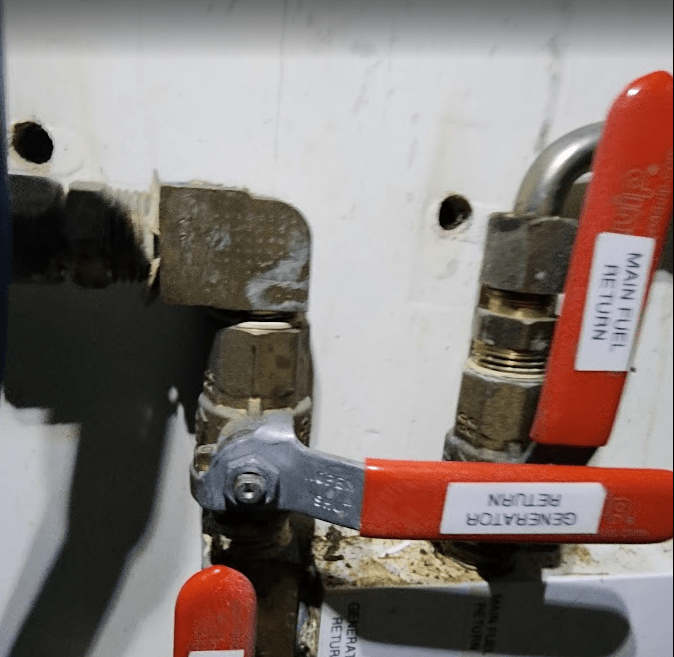
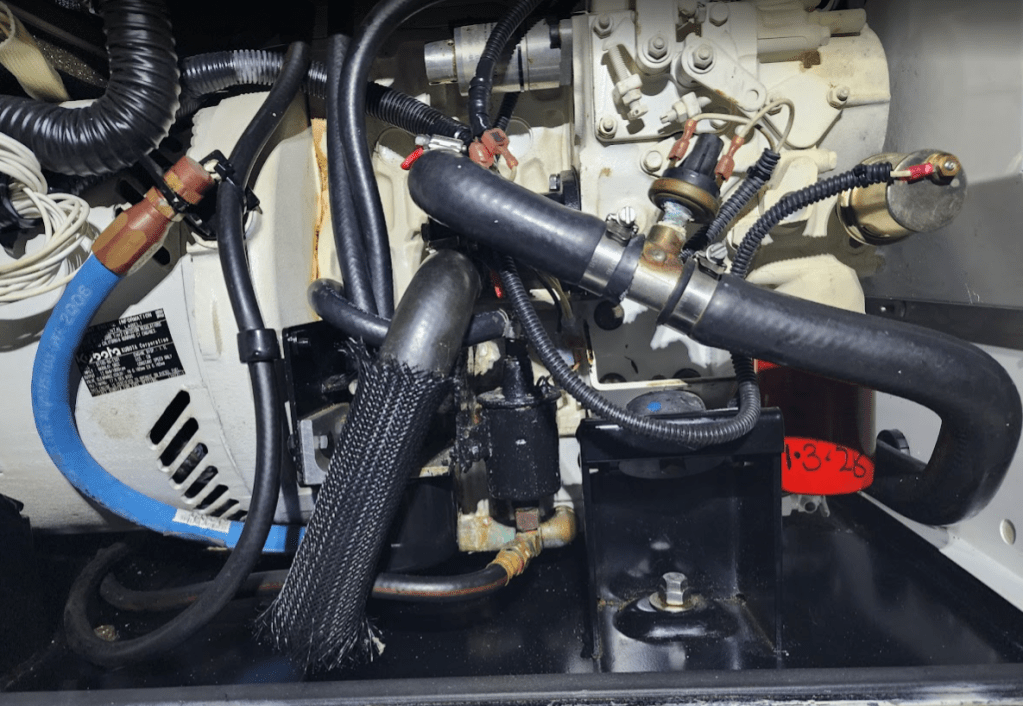
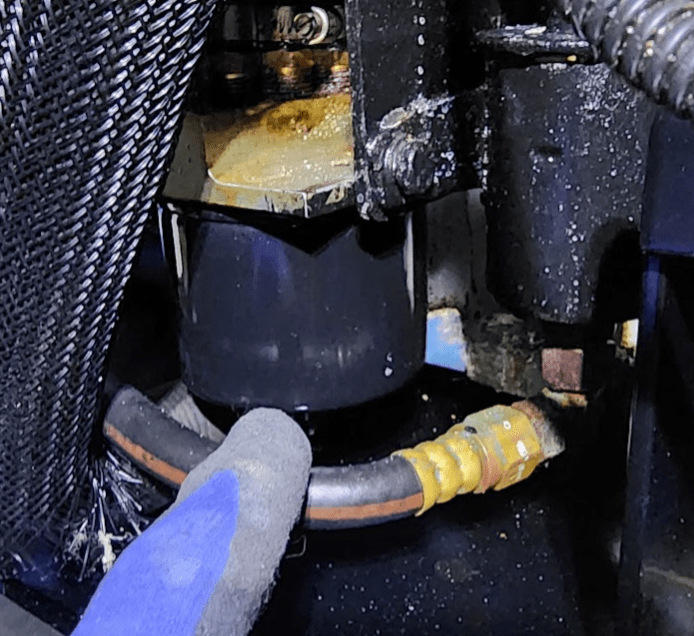
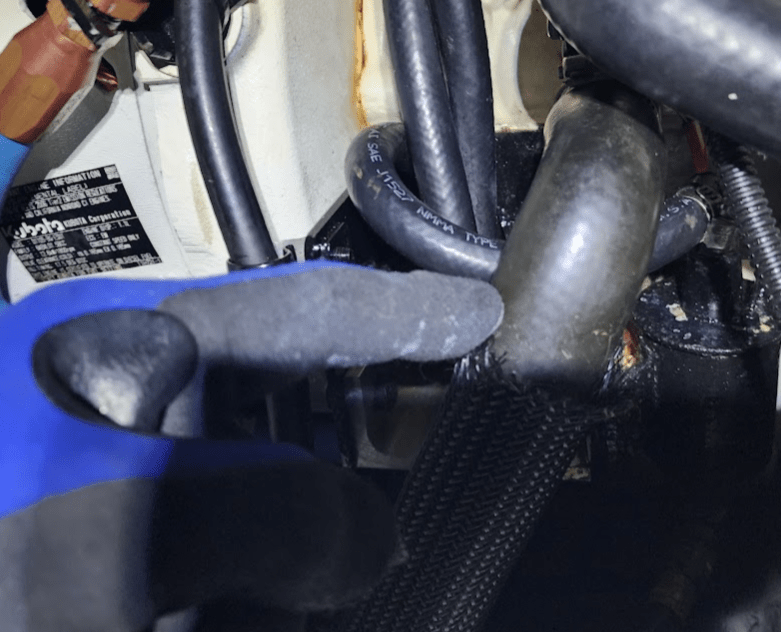
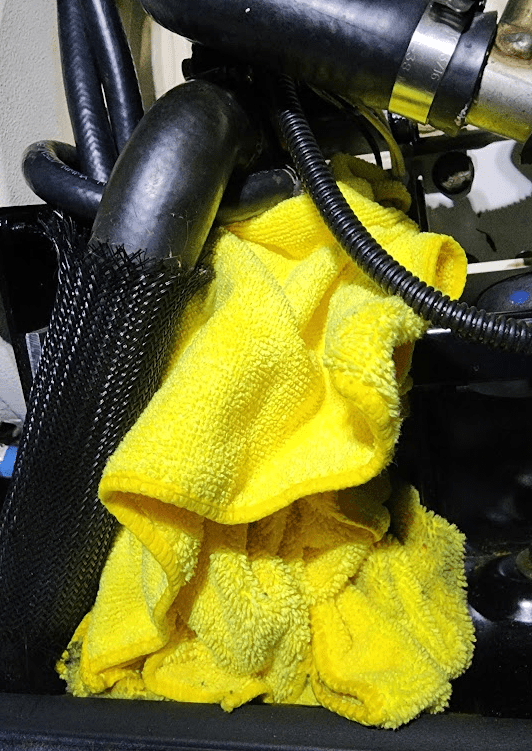
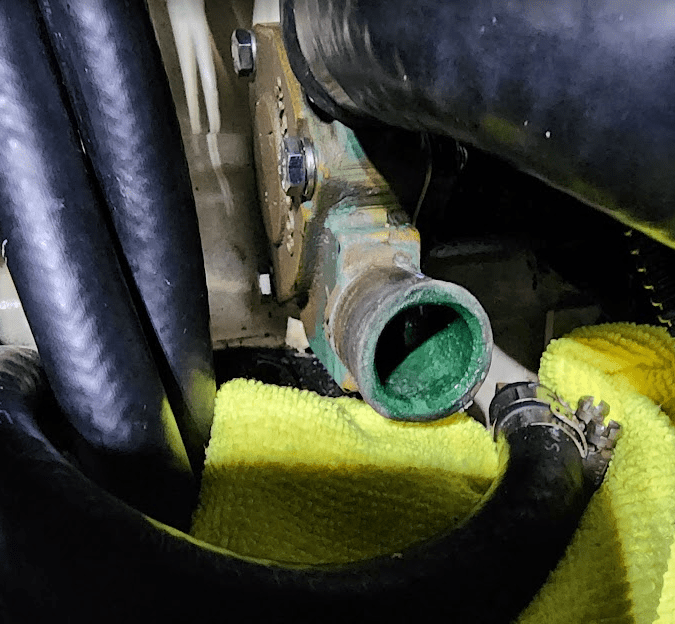
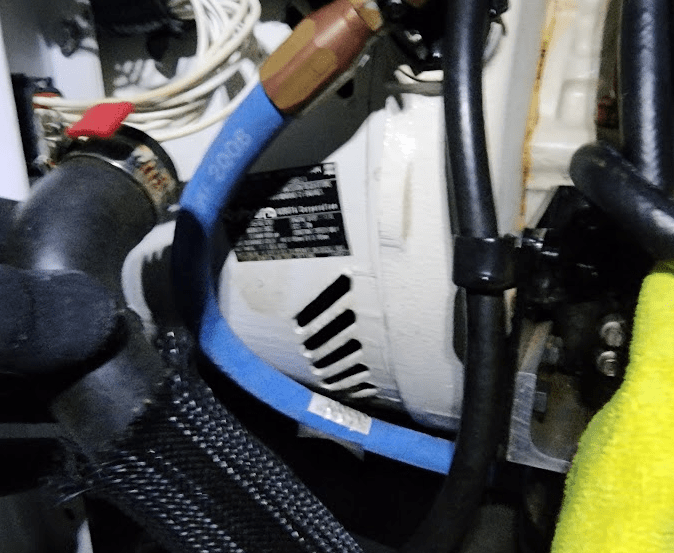
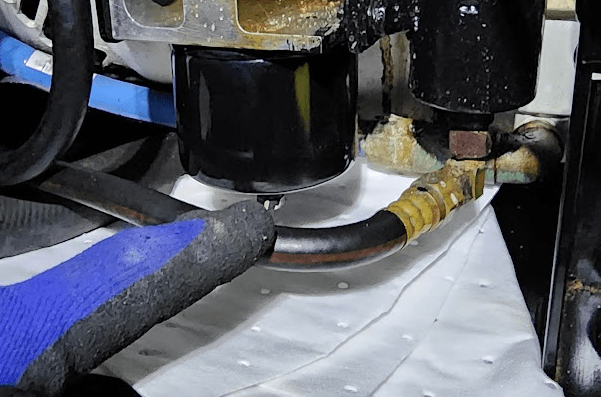
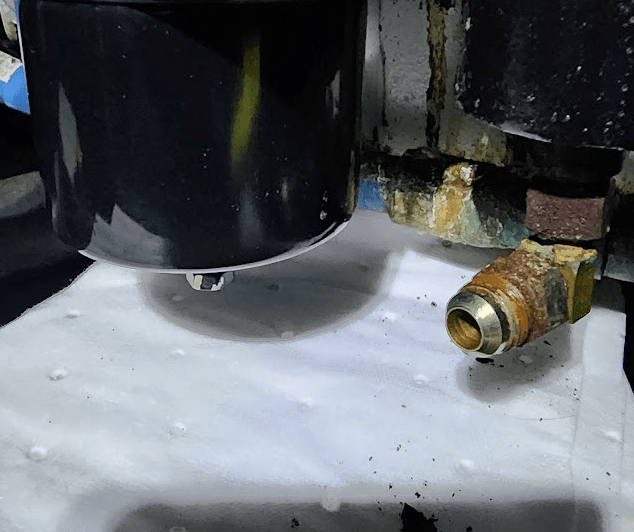
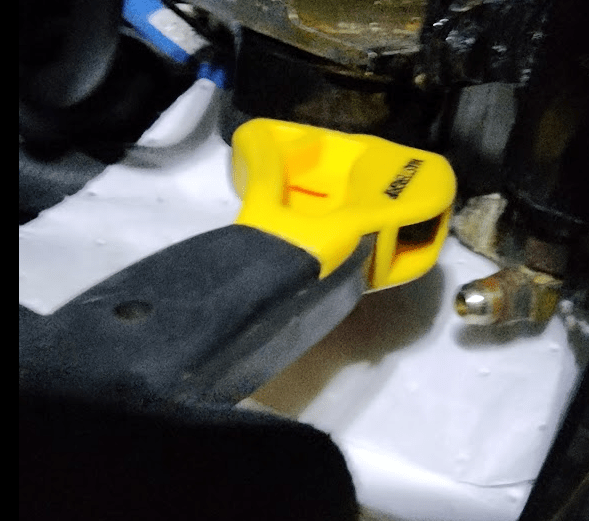
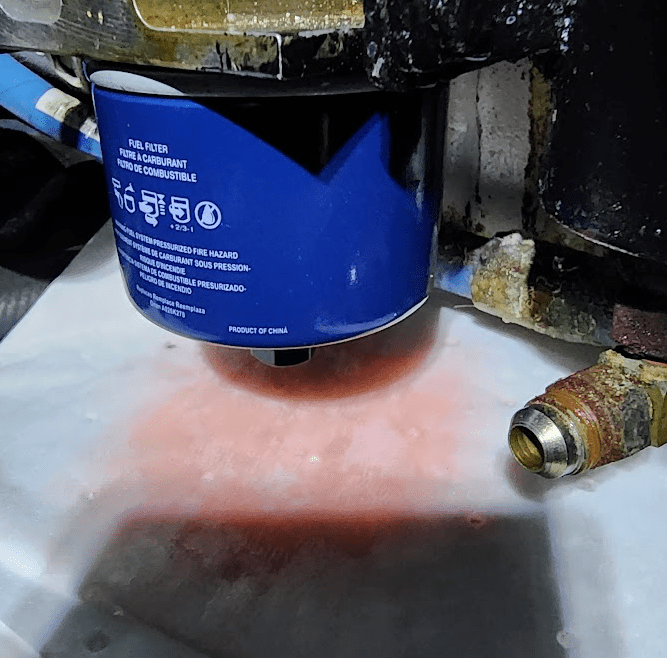
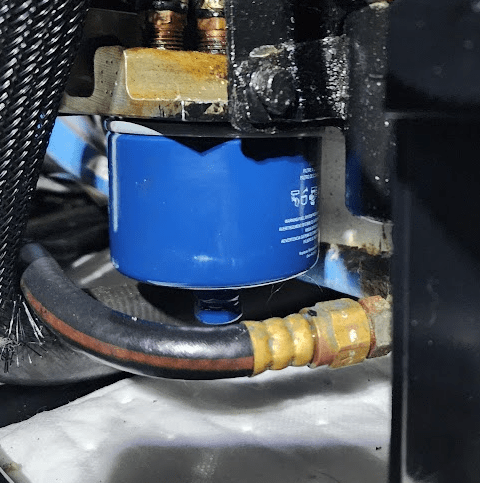
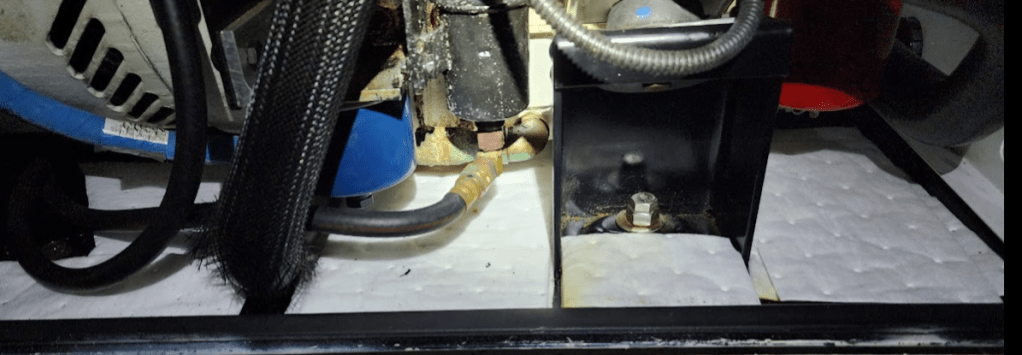
Everything is back in place. Started Ginny. She was still hard to start. Oh well no harm done. Next up: Check all electrical wiring paying particular attention to sensor wiring and find: A dirty, oil soaked connector!

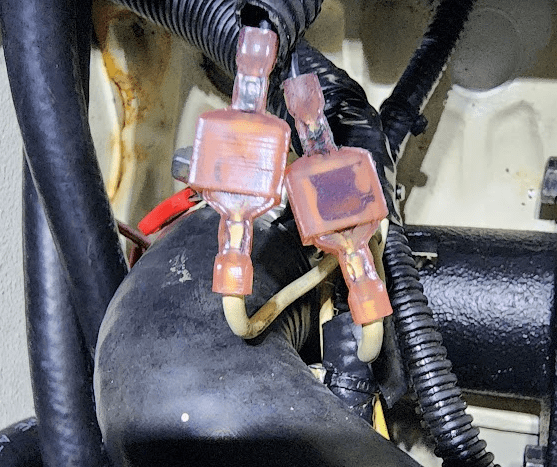
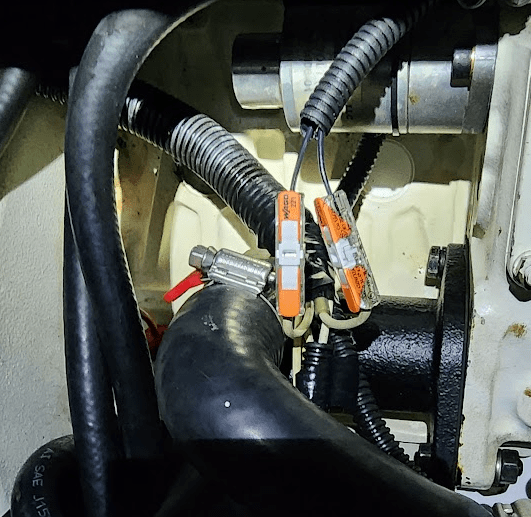
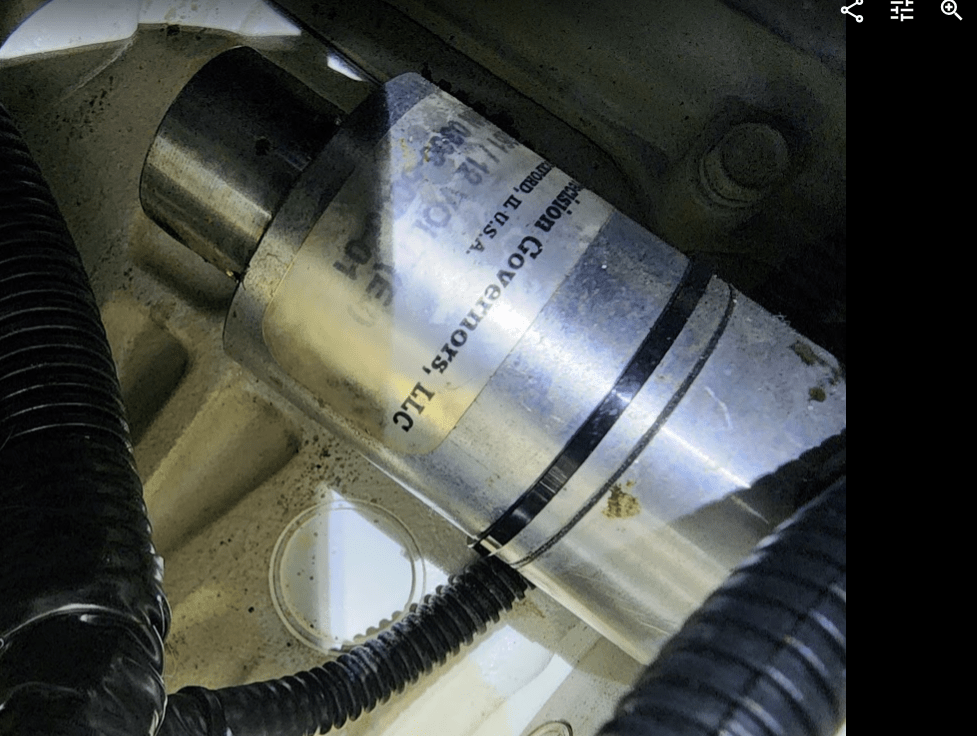
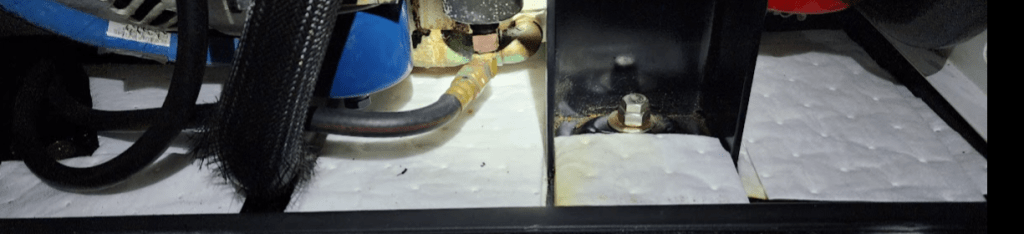
The test: Chuga… VVVRRRRRRRRRRRRRRRRRRROOOOMMMMMM.
The next 4 times, 12 hours apart, I kindly asked Ginny to start. No whispering in her ear. Just push the start button, and… she heartily complied. Mischief managed. Another mechanical success in an exotic location and far from mechanical support… Next stop: We go wherever the wind doesn’t blow.

 Salish Sea Cruising With Blair, Les, Leo, and Bliss