Our Cruising Platform: Great Northern, a DeFever 53 Performance Offshore Cruiser
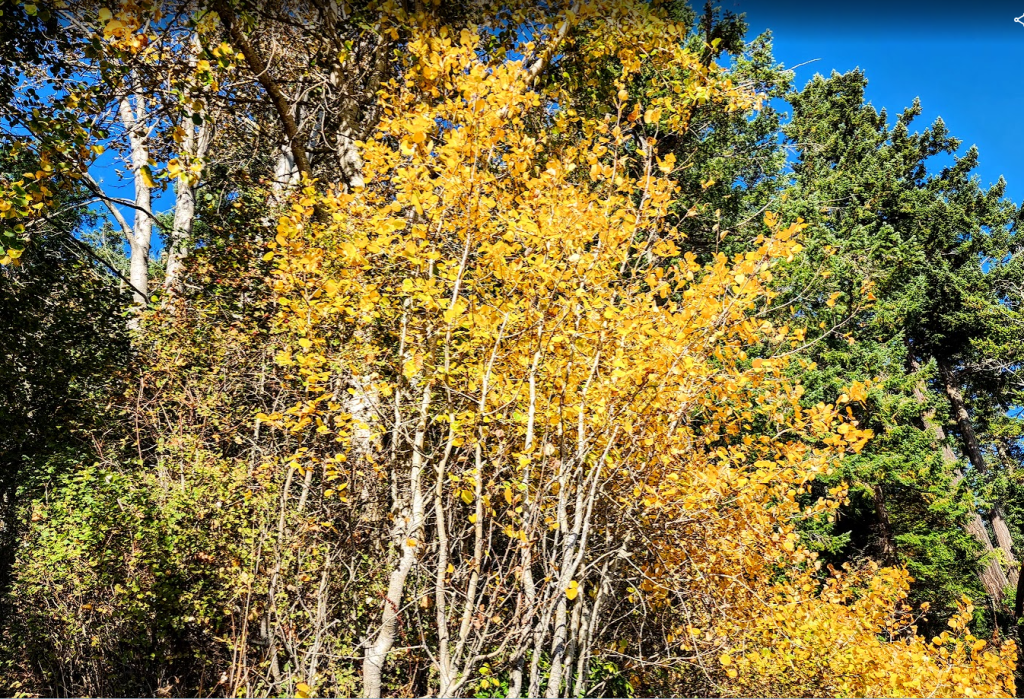
I Took This Picture of a Grove of Quaking Aspens in Sidney, British Columbia
October 14th, 2025, we Found this clonal grove on the shores of Bryden Bay, Sidney, BC, Vancouver Island. One wonders how they got there.
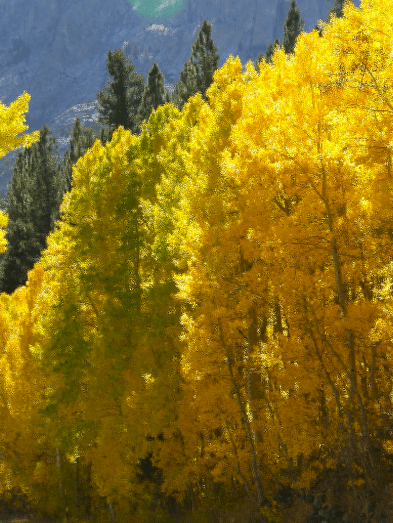
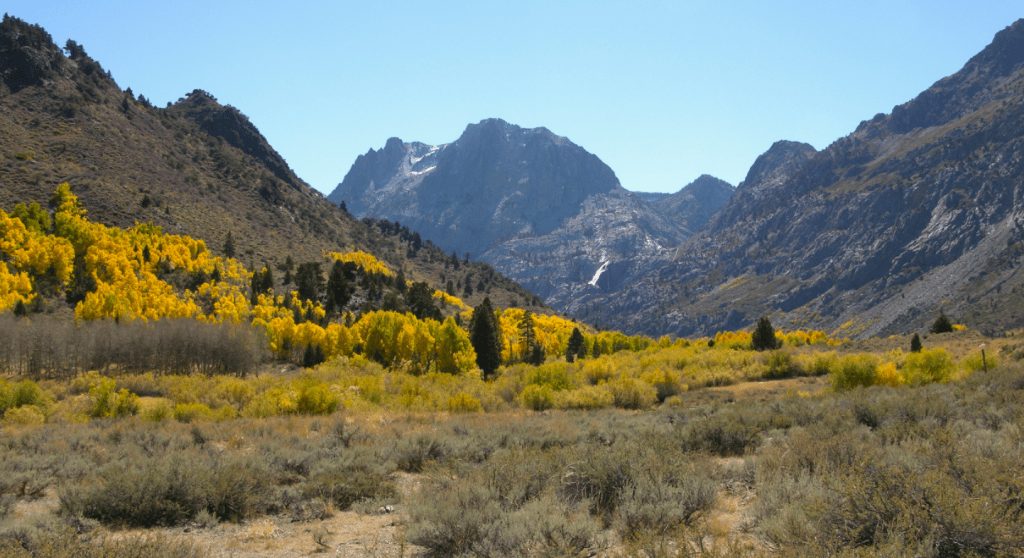
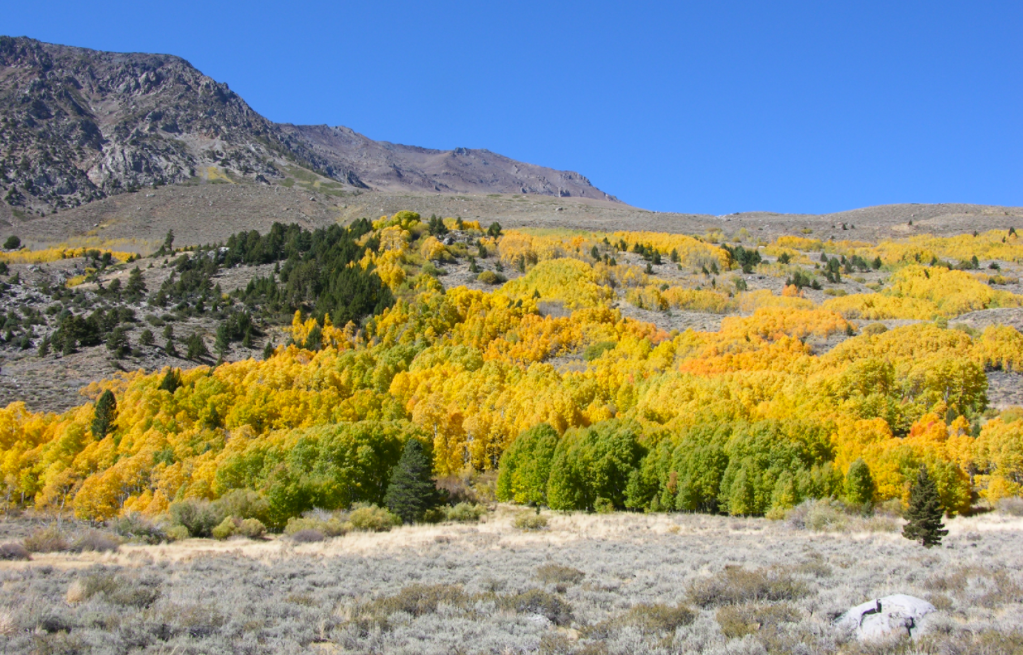
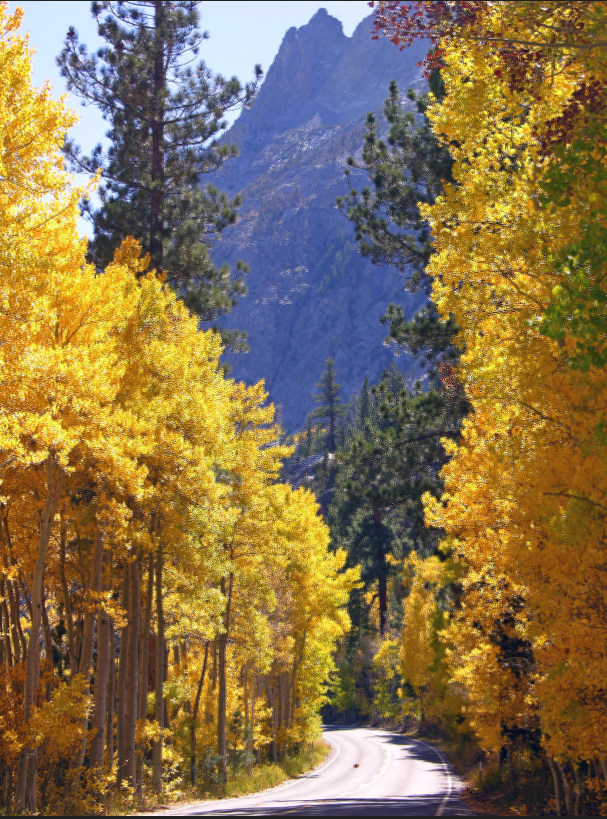
The next day, and through the magic of AI… I was presented, through my email, Pictures the wayward AI wiz found that I had taken in October of 2006. The pictures were of Aspen trees Les and I photographed in the Eastern Sierras in while we were encamped by June and Silver Lakes. Here are a few of them:
A proper place for an Aspen tree to live…What you are looking at is of course… one tree. That is how they grow.
Just one more:
Just imagine… driving through the middle of a tree that is anywhere from 2000 to 50,000 years old.
From Tree Fluent: Yes, aspen trees are connected through an extensive underground root system, forming clonal colonies that allow them to share resources and communicate with one another.
In summary, aspen trees are indeed connected, forming extensive networks that contribute to their survival and the overall health of their ecosystems. Their unique reproductive strategy and root system make them a fascinating example of interconnectedness in nature.

 Salish Sea Cruising With Blair, Les, Leo, and Bliss