(Hello all y’all… I tried to send this post out a couple days ago. I always cross copy posts to my email so I can open them to make sure that what I sent was received in a readable format. Anyway… when I tried to open it to give it a final proof… it revolted and evaded my attempts to open it. A final straw was applied to my confoundicated consternation: The ill begotten post took it upon itself to blow up my blog site. Humphhh… sez I. I think I’ve fixed the damaged parts. If you get this post and it looks pretty normal in terms of format and content, please let me know via a comment etc, even those of you who silently read my stuff and deign to practice a no-response profile. And I know… the title suggests that this post is not about flitting thither and yon in Great Northern. We’ll get back in that mode in Spring after we’ve gotten our bow thruster replaced and perform other over the winter maintenance… Nuf a dat. Onward with my shroom infused yarn.)
The seasonal change from winter to autumn this year has resembled a leisurely stroll in the park compared to last year’s transformation. Over the past several years we’ve been in the Northwest, reasonably warm and sunny fall weather transitioned to snow on the docks over just a few days. Winter arrives with a take control attitude, grabs a Louisville slugger, strides up to the plate and starts swinging. Hard. Autumn wanders off to secure a long overdue nap… PNW residents don garments with plenty of insulation and durable water repellent characteristics.
In comparison… this year’s Autumn / Winter conversion felt more like a long, lingering embrace between the two seasons rather than the usual peck on the cheek. Same time next year and all that. I’m blaming the slower change and warmer weather this year… on El Nino. Might as well. Everyone else does. Yes… we’ve experienced cooling trends and more persistent periods of cloudiness, drizzle and outright rain. But… intermingled with the needed precipitation, were days of summer-like temperatures, cloudless blue skies, and lingering infusions of PNW green…
Falling leaves, with an occasional frosty breath… were the only indicators that we were entering Winter’s territory. Oh yes, we’ve had a few wind events from the South. The usual. But… last year we had snow on the docks in early December. Yesterday, December 30th, it was a balmy 55 degrees F. On New Year’s Eve… we experienced temps up to 50 degrees. Today, New Years Day, 1/1/24, will be overcast with temps up to 46 degrees with a zero % chance of rain and intermittent blue sky. Very pleasant days for a December / January cusp. Lovely times. Tomorrow it will rain. There is a 76 % chance, but it will not be a steady rain. Just a few low powered frontal systems passing through. It doesn’t appear that within the long range forecast that it will get anywhere near freezing until January 10th… at least at sea level and close to the warming presence of the Salish Sea. What this fall and early winter, with it’s wet / dry / wet / dry cycling and moderately warm temperatures has led to… is a bumper crop of mushrooms. They have been and are still to be found everywhere.
That oblique prequel leads me closer to the purpose of this post and an introduction to Shroomification 2.0. Why knot? The concept of “Shroomification” is an invention of course. Nothing more than a “hook” designed to intrigue, ensnare, and prod the reader to keep reading. So… please continue…
There are 10,000+ types of identified mushrooms in the Pacific Northwest alone. 50% (5000+) are inedible but harmless. 25% (2500+) are edible, but not very tasty. 20% (2000+) can make you sick if eaten. 4% (400) are considered “choice” for eating, in terms of taste and texture. That last 1% (100+): Those could kill you or make you very sick. So, for the most part, if you happen to run into mushrooms in their natural environment, and you don’t know what they are, just look at and appreciate them for what they do to keep the forest healthy. . And if you desire to weave mushrooms into your meals… buy them at a store…
That being stated… the following are some of my favorites. All photos were taken locally and my camera phone provides exact GPS coordinates that lets me know exactly where I found them. Which makes it easier to find them next season. In particular… I’ve discovered several places where “choice” edible oyster mushrooms tend to sprout. If I find myself educated enough to forage them and taste them, I might be compelled to take those next few steps: Forage, clean, inspect, prove identification, cook and sample. For now… I leave them all to their mycological maneuvers and the wild animals, bugs and slugs that eat them. I don’t need to eat them, the flora and fauna do.
That being stated… the following are some of my favorites to look at and photograph. All photos were taken locally.
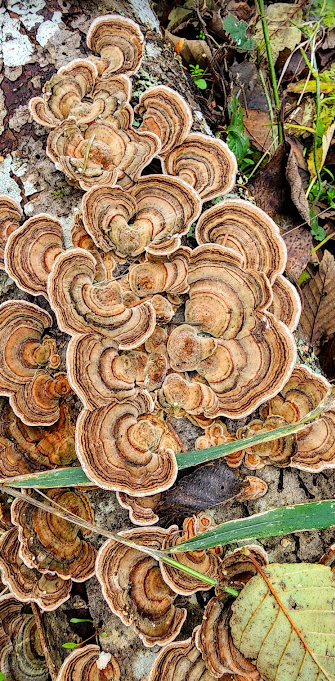
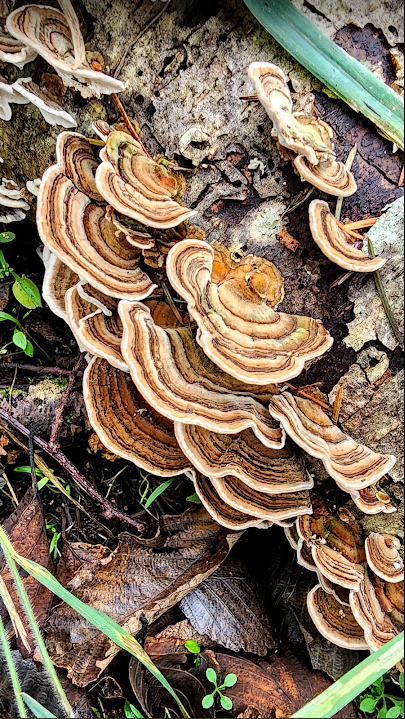
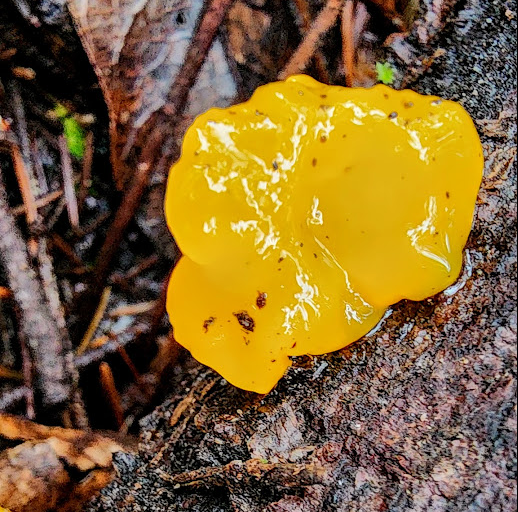
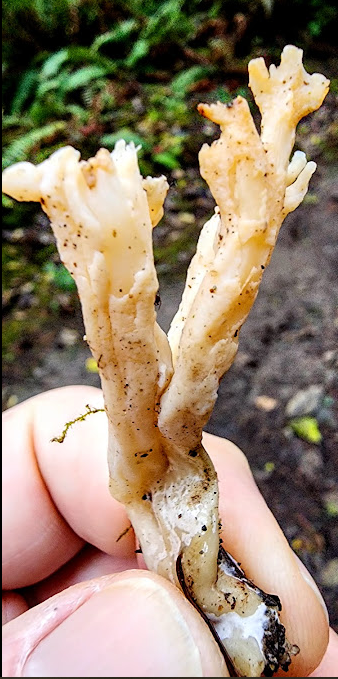
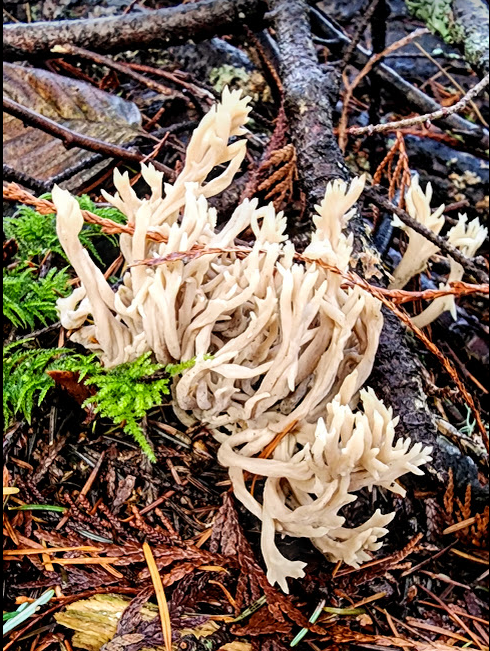
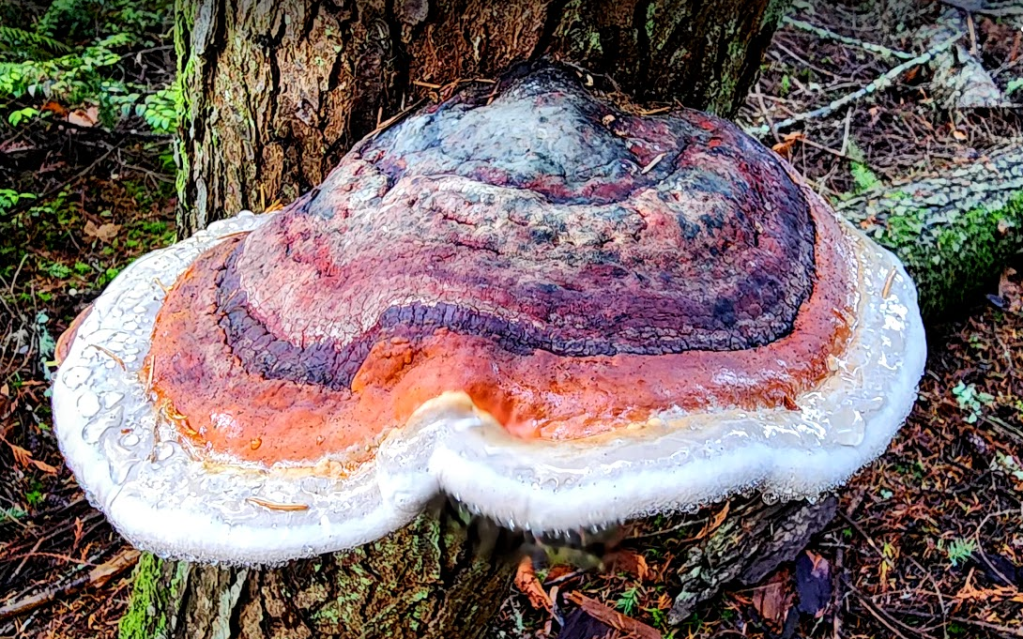
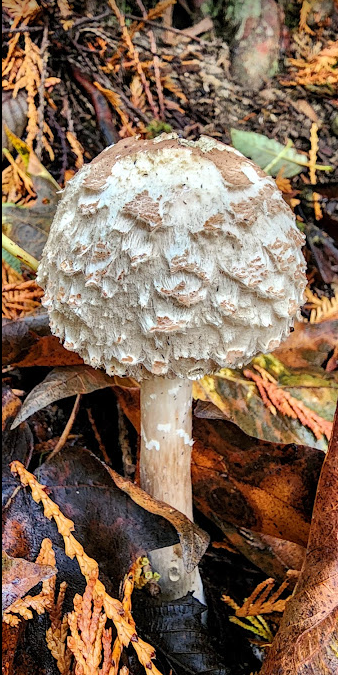
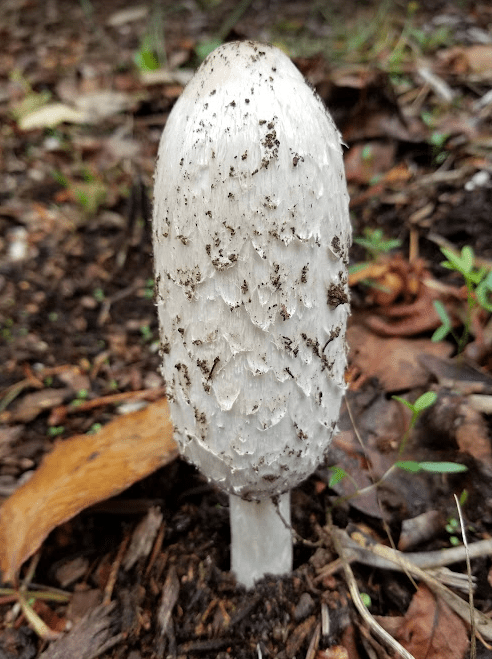
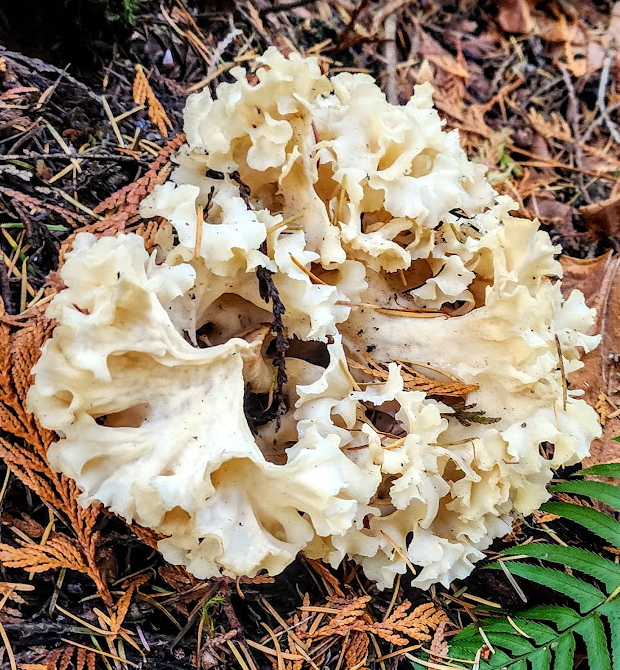
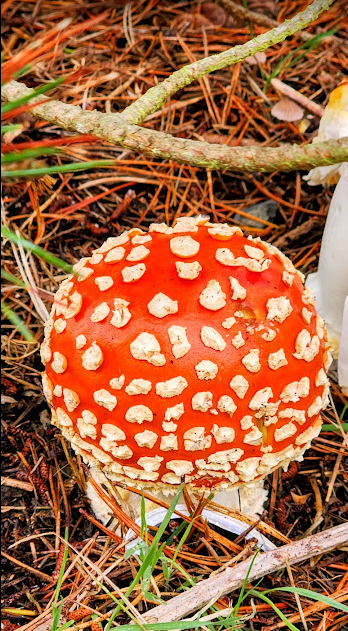
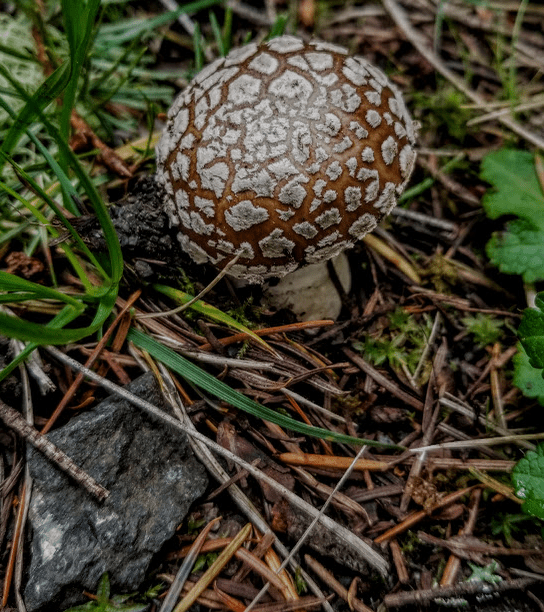
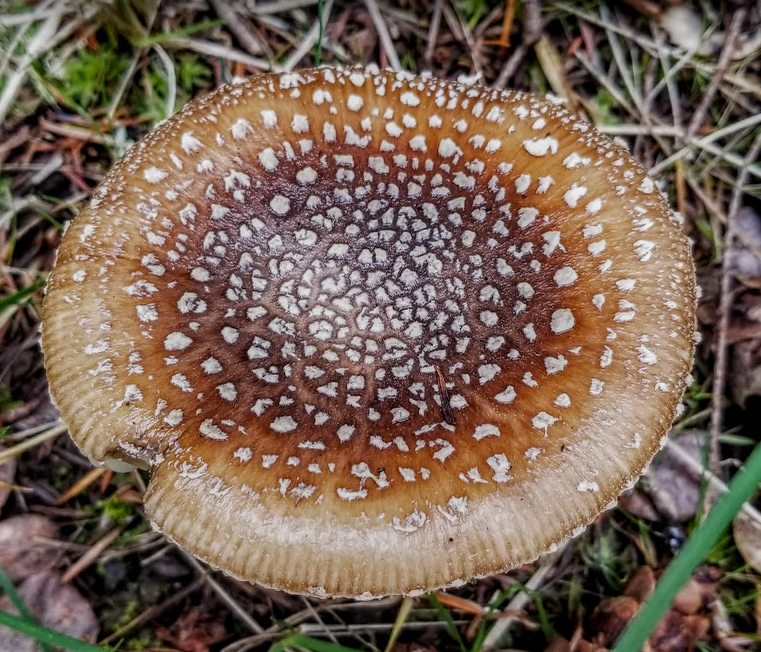
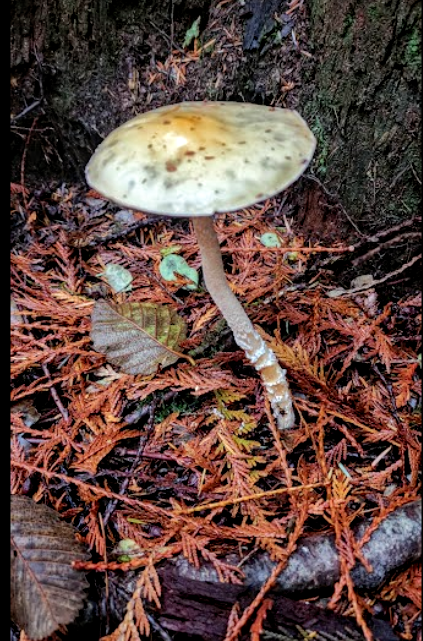
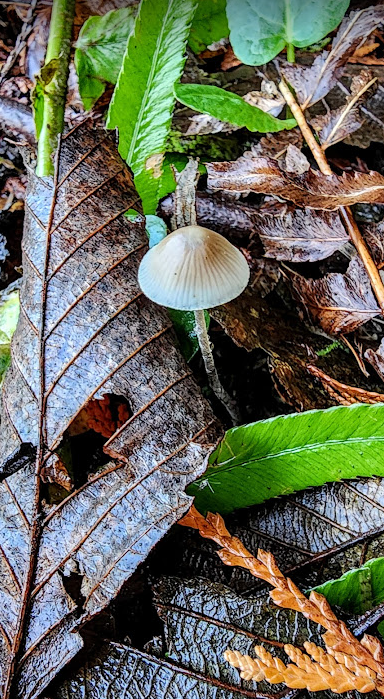
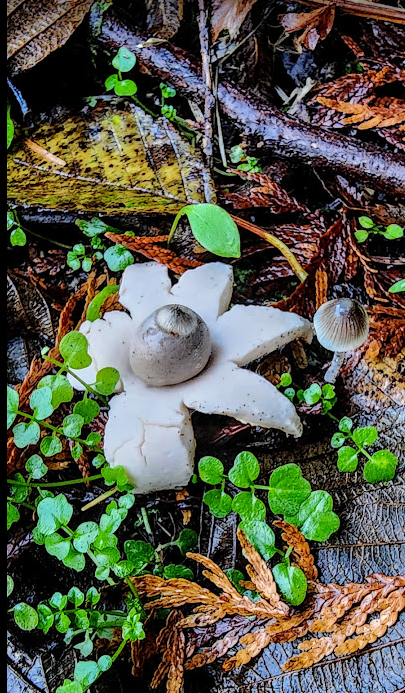
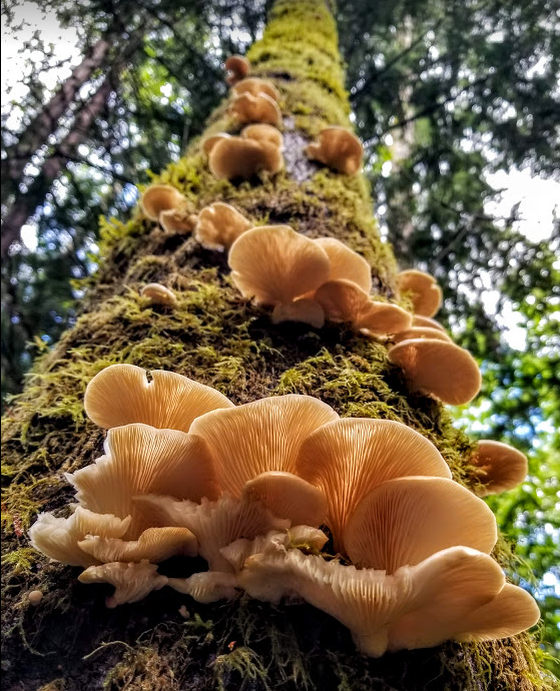
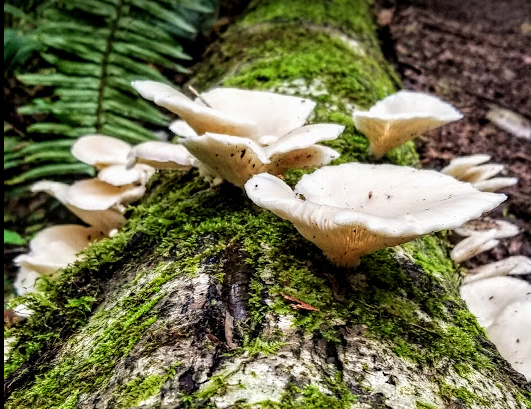
I have literally hundreds more pictures of shrooms doing their thing in the woods. Those I’ve included in this post are the more common and more easily identified. Again, please let me know if this blog posted in a format that you could read. (Oh I know… If you can’t read it how the heck would you know to let me know!) As for getting more pictures of different fungi… be careful what you ask for…

 Salish Sea Cruising With Blair, Les, Leo, and Bliss