December 21st is just around the corner. That day marks the arrival and passage of the next solstice, the longest night of the year in Northern climes. It will march flagrantly across the stage. Noticed… or not. Inevitably brazen, if you live in Northern climes and are tracking it day to day.. Subtle if you live further South and have no celestial reason to pay close attention… To read about some of the winter solstice traditions from around the world… follow the URL:
In the Pacific Northwest, autumn arrives. Leaves fall. Weather patterns shift. Mushrooms sprout. The skies release more water as clouds weave their way across, over, and through Washington’s Olympics, The Strait of Juan de Fuca, and Vancouver Island’s Coastal Range. We’ve had a few days of frost. It will get colder. The Southeast winds of winter will increase. That is the norm… So far the norm seems to be in control. Later… it might not be.

We are again back at Port Ludlow. That is where we stay when not cruising up in the Canadian Gulf Islands, Discoveries, Desolation Sound and other ports and passes up North. We come back to Port Ludlow… mostly… because that is where our savior boat workers are located. Oh… we have rescue workers in Canada, but it is more convenient to stay in Port Ludlow while we schedule work to perform routine maintenance, repair what has broken over the cruising season, and install upgrades that make the cruising life safer and easier.
Routine maintenance might be characterized as the things that boats require as regular sustenance, a boats life of: bottom paint, minor electrical work, varnish, engine and generator oil changes, impeller replacement, deep cleaning of just about anything on board including the bilges, and painting things that need to be painted to keep her weatherproof and… pretty. Leaks of any kind require a repair. A broken toilet that won’t flush, an anchor winch that does not winch: Repair them. And so on.
Then… there are catastrophic failures: dismasting (on a sailboat), engine seizure, hull compromise, fire. They all require adrenal fortitude, fast actions, response evaluation, short and long term planning, patience, faith, and… ultimately: repair. Here’s one for you to ponder: Les and I were approaching the fuel dock at the Edmond’s marina, to take on 350 gallons of fuel. As the bow came close into the fuel dock… I pressed the bow thruster control lever to the right to move the bow out a bit, let the stern catch up and feather into the dock. No joy. The thruster made all sorts of whiney, squeally noises, but the output of all that racket: no thrust. OK. Fine. Whatever. I reached over, put the starboard engine into reverse for a few seconds, and the stern feathered into the dock. Les stepped onto the dock, had a stern line on and was working on a mid-line. I put the starboard engine into forward for a few seconds and the bow stayed put so Les could tie off the bowline. Mischief managed. Who needs a thruster? Well… no one really does until they do. And “they do” will happen often enough to warrant the expense of installation and maintenance. It’s really nice to have healthy thrusters. Our bow thruster blew up while docking. No warning. No fanfare. She was there. And then she wasn’t. She’ll be back in one incarnation or another. It’s a repair after all… and fortunately… in an exotic place.
The culprit:

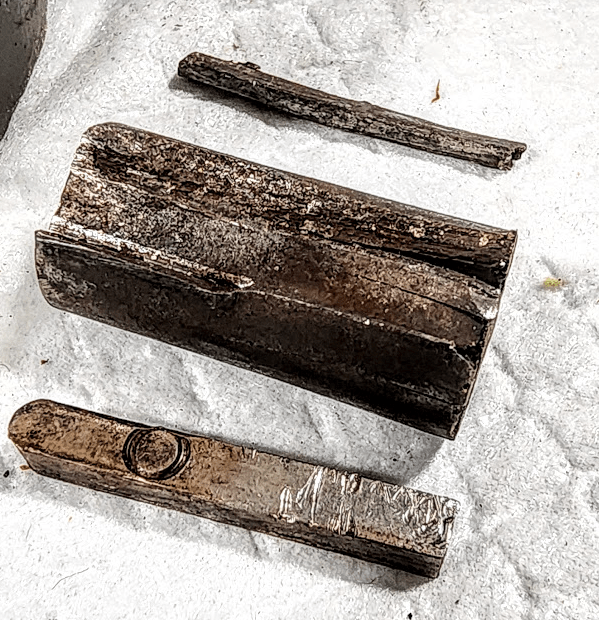
So… a critical part on an operational steering system failed during a docking. Was it a catastrophic failure? No. Were other operational steering systems available? Yes. We used them. We implemented well rehearsed short term actions to maintain safety. All those years of not having thrusters paid off. We learned how to drive powerboats without them. We would figure out what happened… later. Then repair it. Preferably in an exotic location. And… while we were waiting for repair processes and plans to gel: we went for quite a few nice hikes. We find it cleansing.
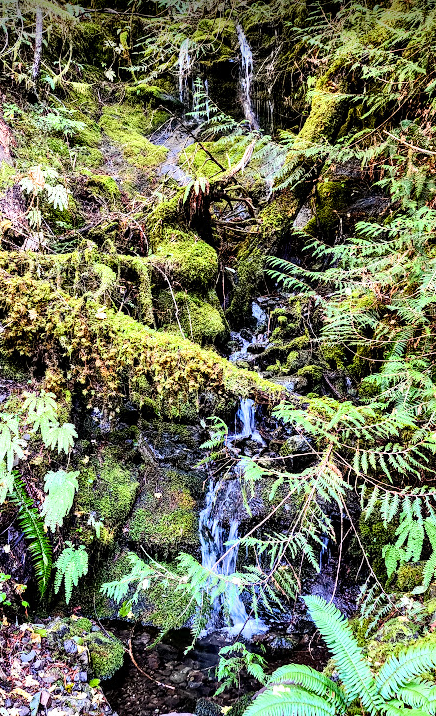
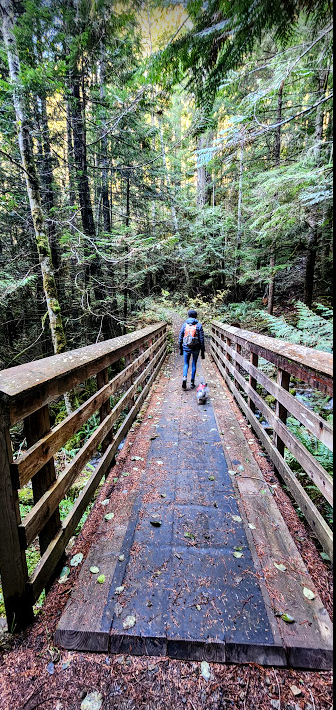
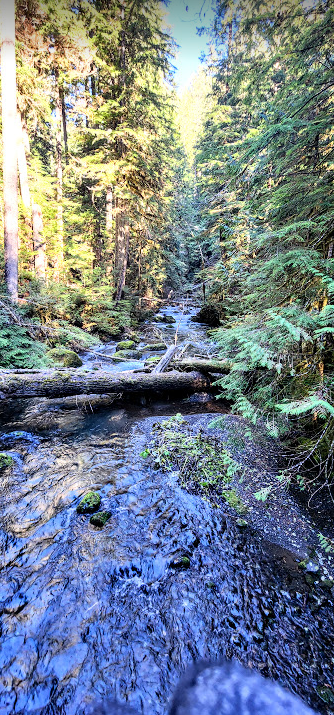
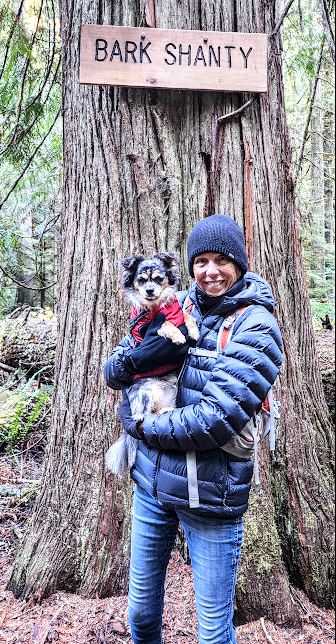
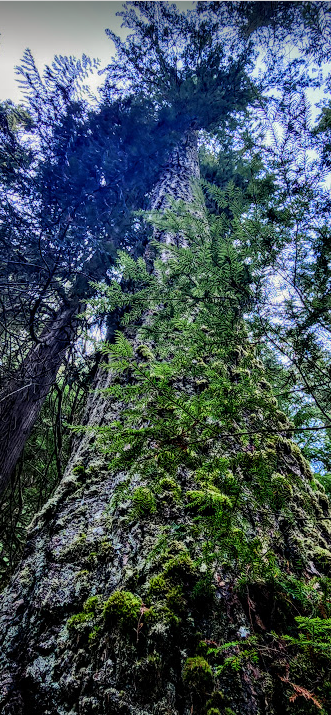
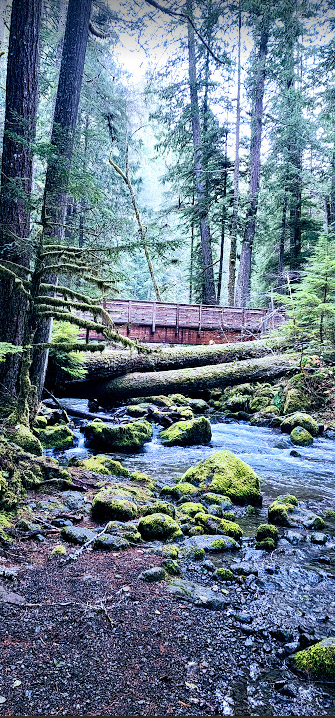
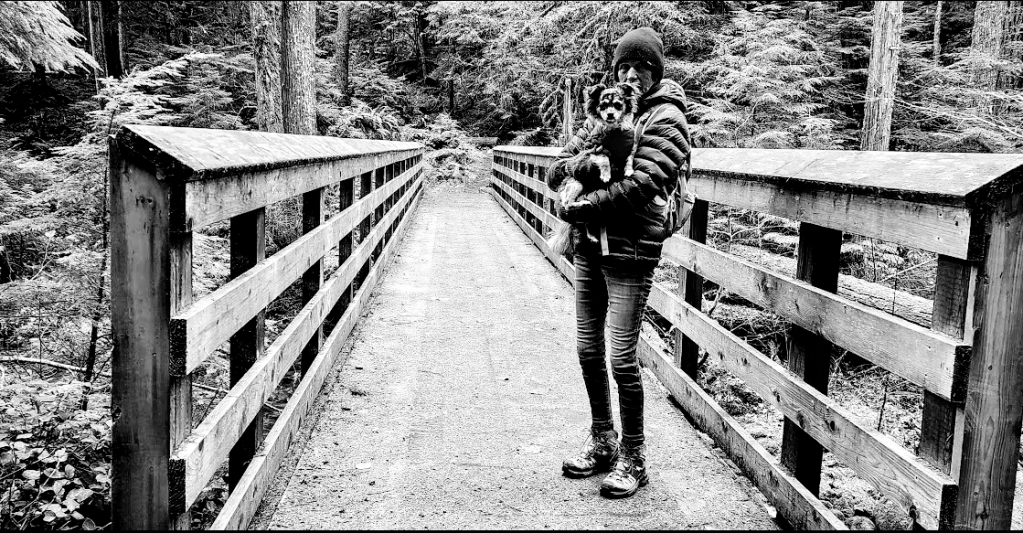
The Lower Big Quilcene River Trail. One of our latest… and a new hike for us. It is a 12.5mile out and back trail in the foothills of the Olympic Mountains, East of the small town of Quilcene just off Hood’s Canal. Our plan was to hike in about 3 miles to a backpacking camping area called Bark Shanty, and then make our way back to the car for a 6 mile total distance. It was a fine hike…


Another Fort Flagler Hike. https://parks.wa.gov/find-parks/state-parks/fort-flagler-historical-state-park Following the URL will give you an overview of what the Park has to offer including a trail map. The Fort offers Les, Leo and I excellent groomed trails that we return too again and again… and there are interesting concrete bones to explore: Artifacts of a long ago coastal defense system that was built “just in case”. Giant canons positioned at Fort Worden on Point Wilson, Fort Flagler on Marrowstone Island, and Fort Casey on Whidbey Island were designed to rain death and destruction on any world navy foolish enough to try to pass through Admiralty Inlet. With the exception of many practice rounds fired, it is believed that none were ever fired at an enemy navy. All the forts are now State Parks. A link to history of the Defense of Puget Sound: https://www.historylink.org/File/7524)
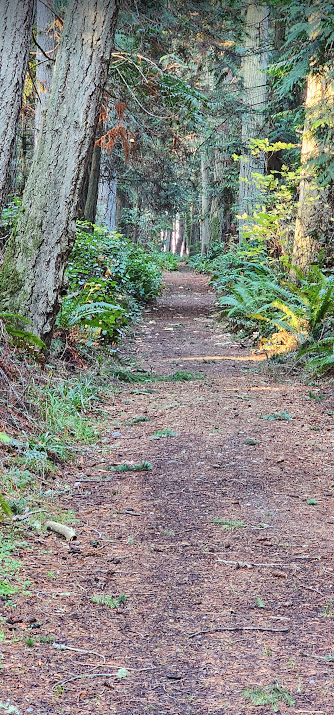
A recent Flagler trails hike:
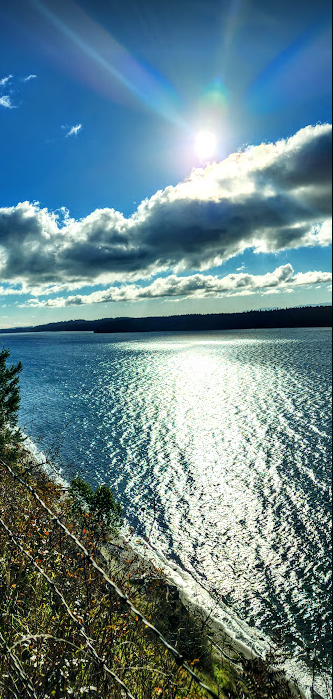

T
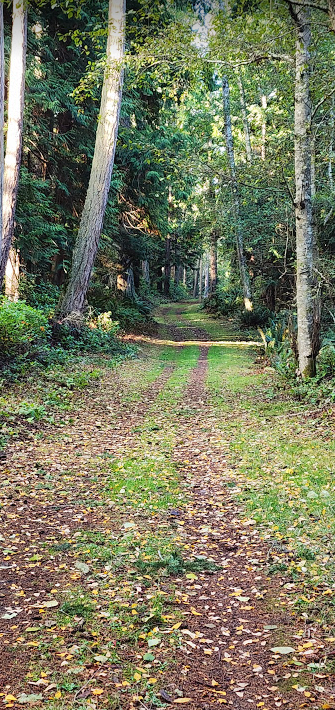


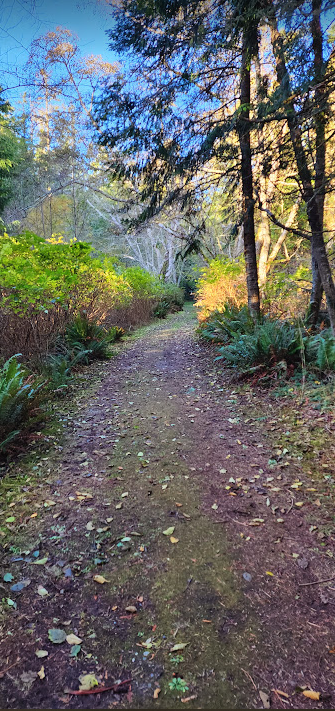
Remnant knockdowns from past years winter wind storms..
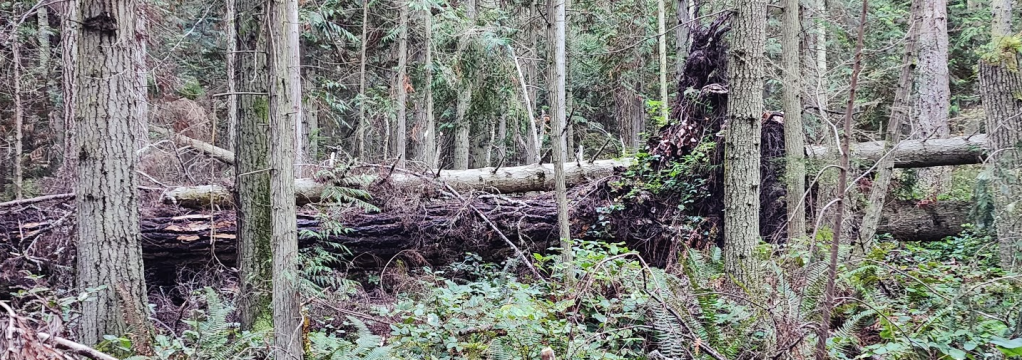
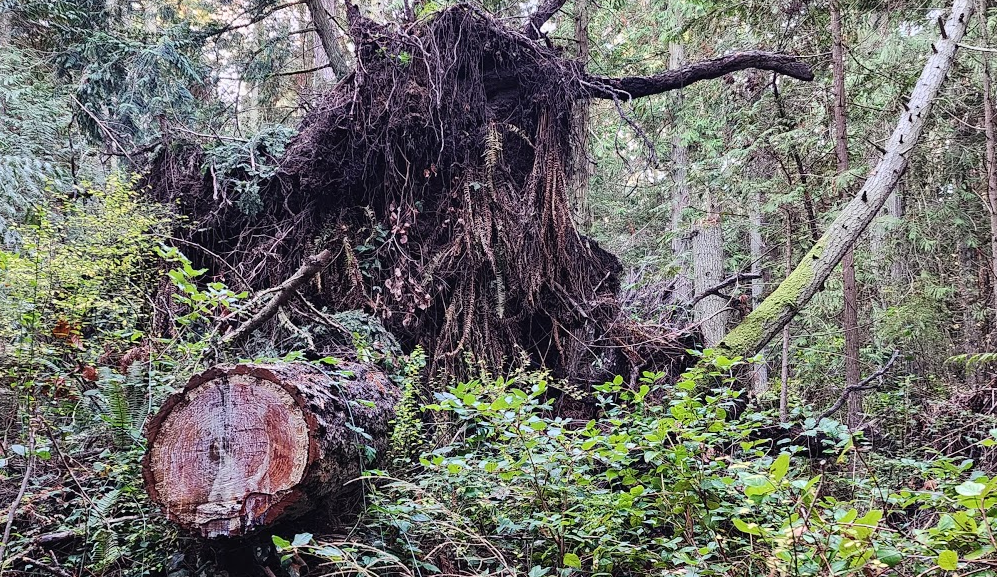
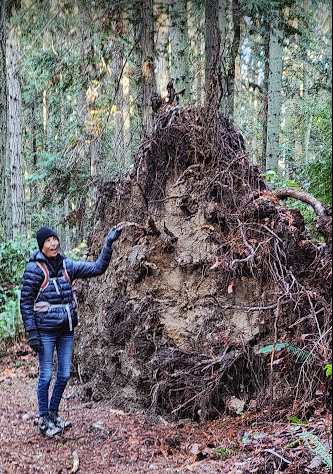
The Calwell Trail ends at the Calwell Battery, one of the many gun placement batteries within the Fort:
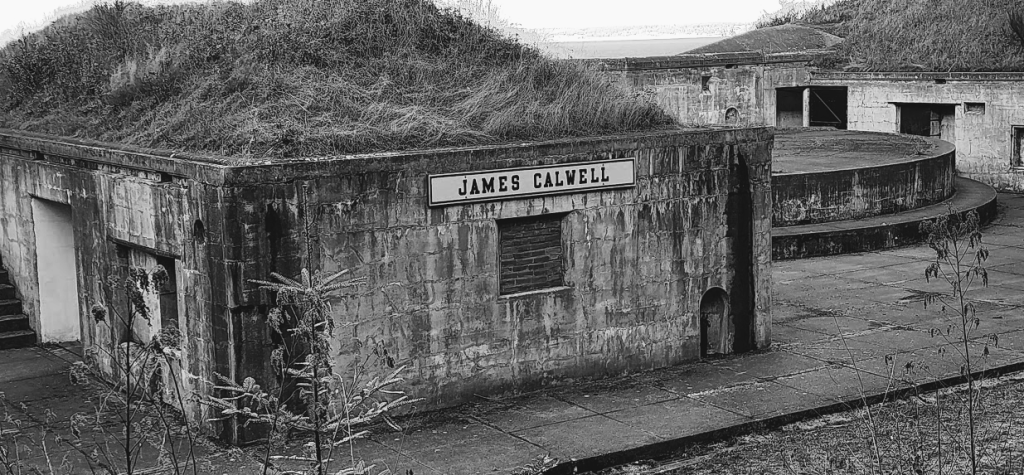
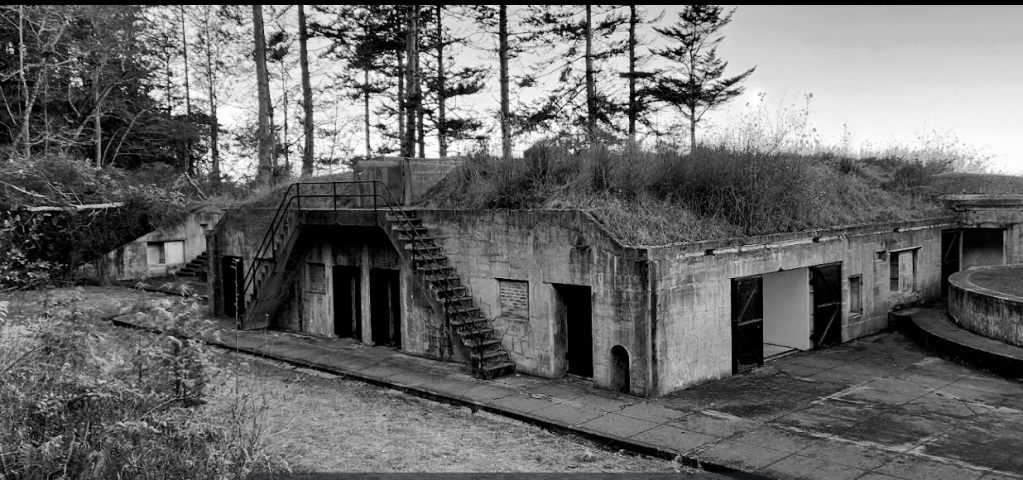
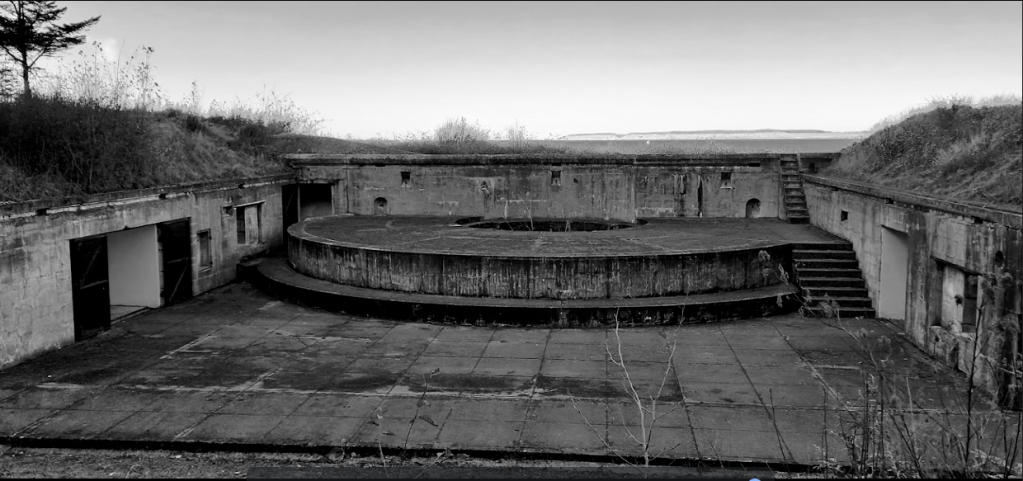
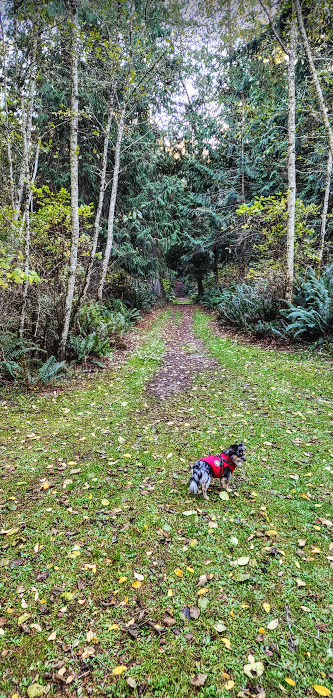
After passing the Calwell Battery we headed West on the Bluff Trail which follows the top of Marrostone Island and past all the gun batteries. Leo has decided that he likes the forest trails better and urges us to take the Fire Station Control Trail. So we dip back into the forest heading South. It is not a hard decision being one of our favorites:

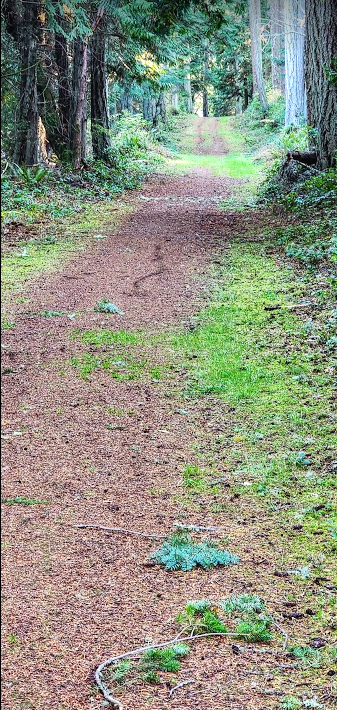
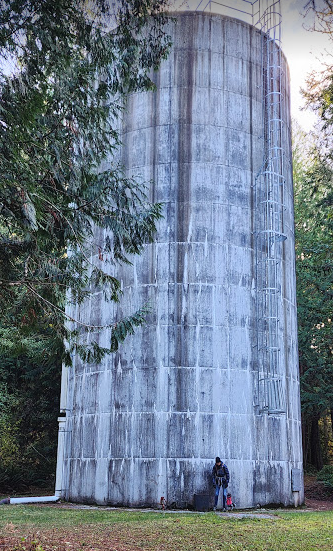
After completing the Fire Station Control Trail, we traipse back up the Reservoir Trail so we could add more distance to our hike. Just before we got back to the watertank… we found this golden leaved beauty. As close as I can tell it is some type of Poplar:
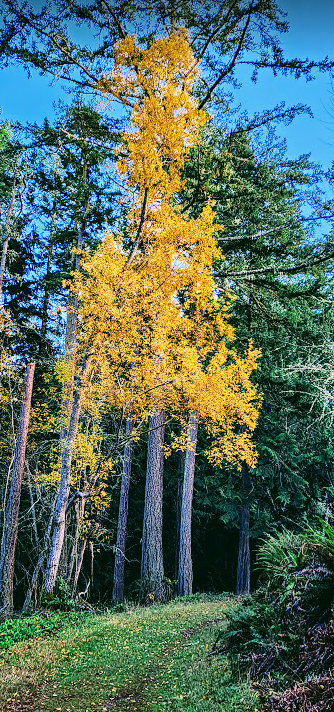
After the tree photo shoot we made our way back to the East Searchlight Trail, then the Anti-Aircraft Battery Trail, followed by the Camp Trail and the upper Campground that is closed at this time of year.
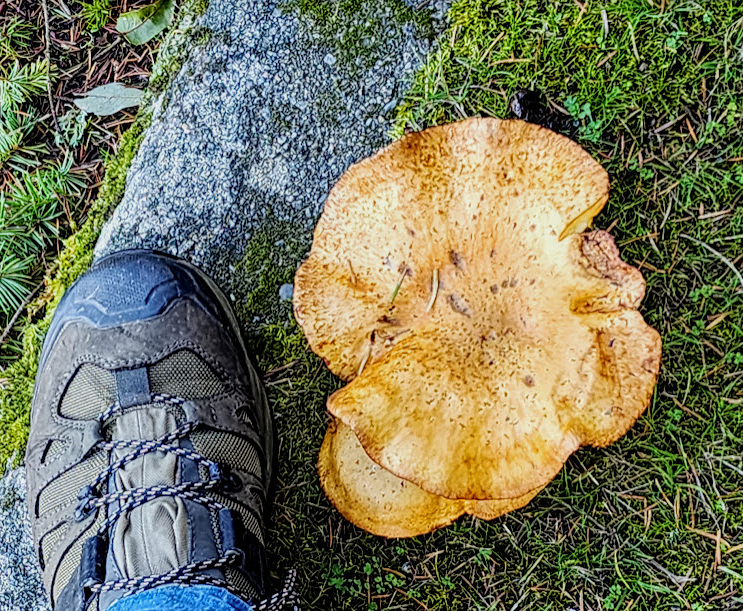
And so ends an afternoon at Fort Flagler. Six miles of trail hiking on that day. And there are many more miles to travel within that park alone. Fort Casey next?

 Salish Sea Cruising With Blair, Les, Leo, and Bliss
Love watching your updates here in Port Townsend also looking for a DeFever, a 44 if possible. And yes bow thrusters and even stabilizers if we dare wish. Been looking seriously for over 2 years please let us know if you hear of anything. Bobanddianna@gmail.com
LikeLike